
Yosemite National Park is one of those places that makes me want to slow down and actually enjoy the scenery instead of rushing from one attraction to the next. Towering granite cliffs, powerful waterfalls, giant sequoias, alpine meadows and peaceful mountain trails give the park an incredible amount to see and do. The park also has more than 750 miles of trails, so there’s plenty here for both casual visitors and serious hikers.
Whether I’m visiting Yosemite for a weekend or planning a longer Sierra Nevada adventure, I’d want to experience more than just Yosemite Valley. From famous viewpoints and waterfall hikes to scenic drives and quiet corners of the park, these are some of the best things to do in Yosemite National Park.
1. Explore Yosemite Valley
Yosemite Valley is the natural starting point for most trips to the park. This is where I can see some of Yosemite’s most famous landmarks concentrated in one spectacular landscape, including El Capitan, Half Dome, Yosemite Falls and Bridalveil Fall.
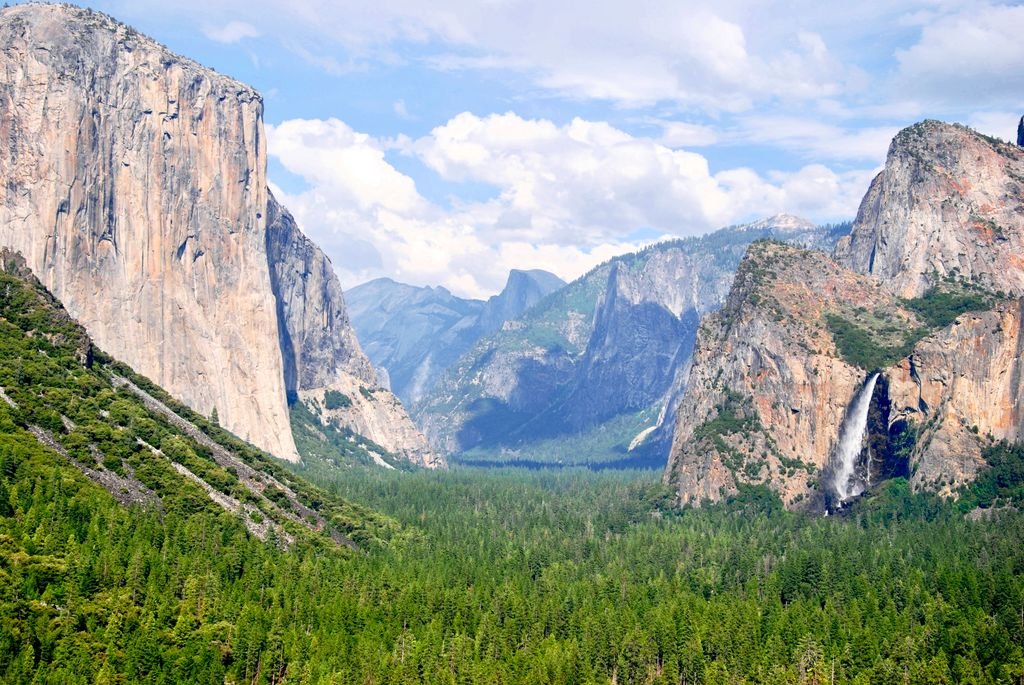
I’d spend at least a few hours simply walking around the Valley, stopping at different viewpoints and taking in the granite walls rising dramatically above the valley floor. There are also trails, meadows, bike paths and visitor facilities here, making it one of the easiest areas to explore.
Best for: First-time visitors, sightseeing, photography and easy walks
Don’t miss: El Capitan Meadow, Yosemite Village, Sentinel Bridge and Valley Loop Trail
2. See Yosemite Falls
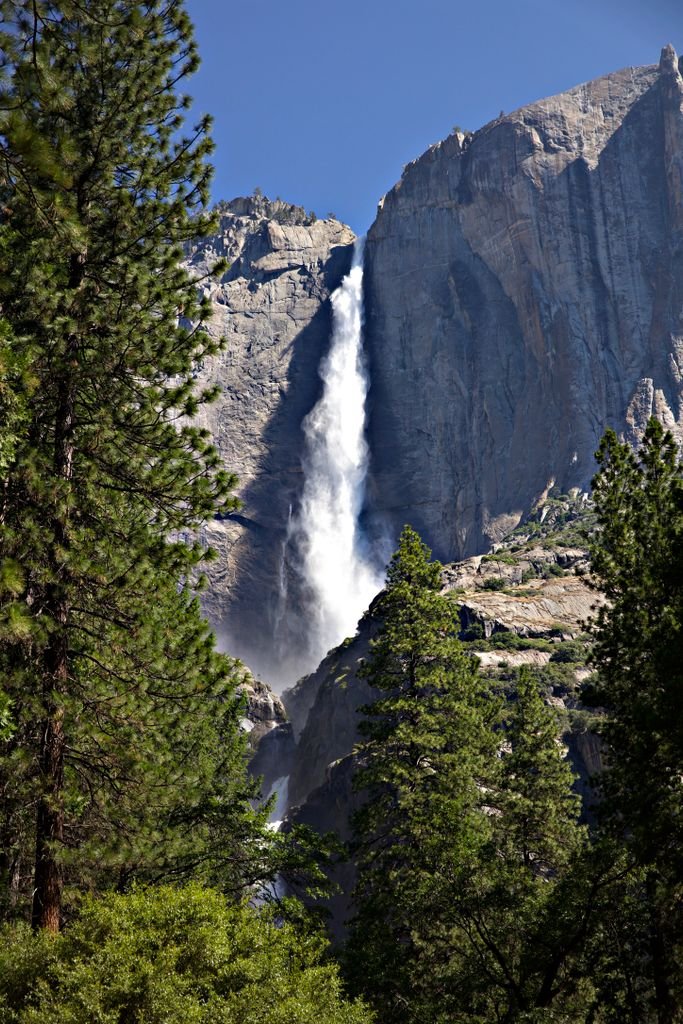
Yosemite Falls is one of the park’s most iconic sights and one of the tallest waterfalls in North America. The waterfall drops a total of 2,425 feet and is made up of Upper Yosemite Fall, the middle cascades and Lower Yosemite Fall.
I’d recommend the easy walk to Lower Yosemite Fall if I wanted a relatively short experience. More adventurous hikers can take the much steeper trail toward the top of Yosemite Falls for panoramic views over Yosemite Valley.
One thing I’d keep in mind is timing. Spring is generally the best season for Yosemite’s waterfalls, when snowmelt creates the strongest flows. Some waterfalls can become little more than a trickle by late summer.
Best for: Waterfalls, photography and hiking
Don’t miss: Lower Yosemite Fall viewpoint and the Yosemite Falls Trail
3. Take in the View from Tunnel View
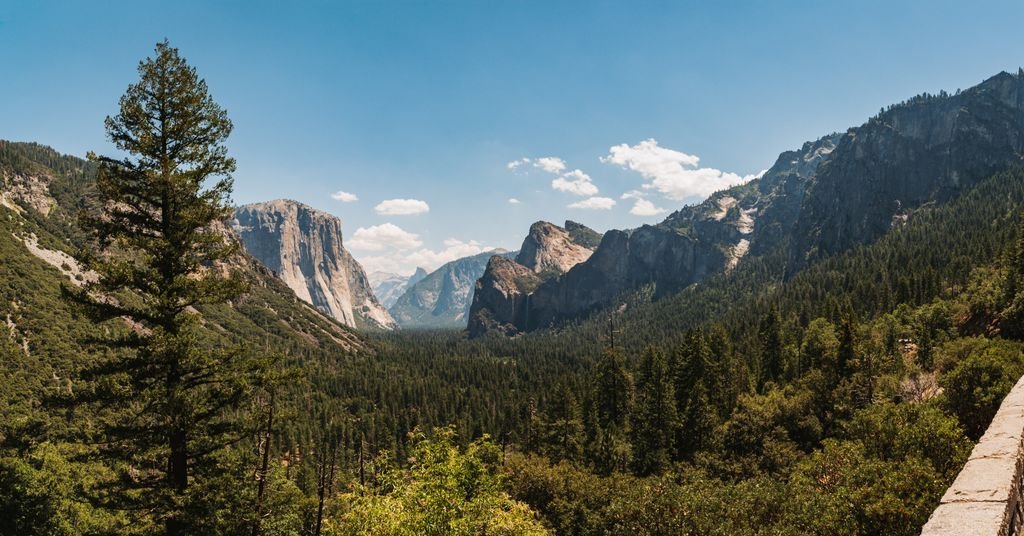
Tunnel View is one of the first viewpoints I’d visit when entering Yosemite from the Wawona Road. From here, Yosemite Valley opens up in front of me with El Capitan, Bridalveil Fall and Half Dome visible in the distance.
It’s one of those places where I don’t need to hike for hours to get an incredible view. I can simply park, walk to the overlook and take it all in.
Best for: Photography and panoramic views
Don’t miss: Sunrise or early morning views from the overlook
4. Visit Glacier Point
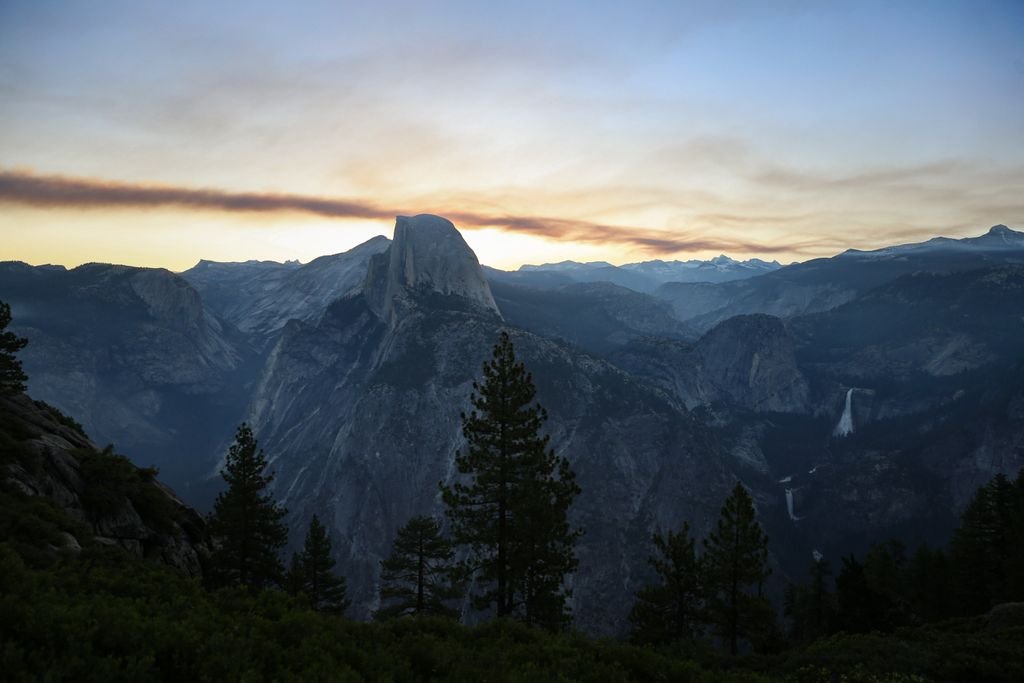
Glacier Point gives me an entirely different perspective of Yosemite. Instead of standing beneath the granite cliffs in Yosemite Valley, I can look down over the Valley from an elevation more than 3,200 feet above the valley floor. From the overlook, I can see Half Dome, Yosemite Falls and Yosemite’s high country.
If the road is open, reaching Glacier Point by car makes this one of the easiest major viewpoints to visit. The road is generally open from around late May through October or November, depending on conditions.
Best for: Panoramic views, photography and sightseeing
Don’t miss: Glacier Point overlook and the views toward Half Dome
5. Hike the Mist Trail
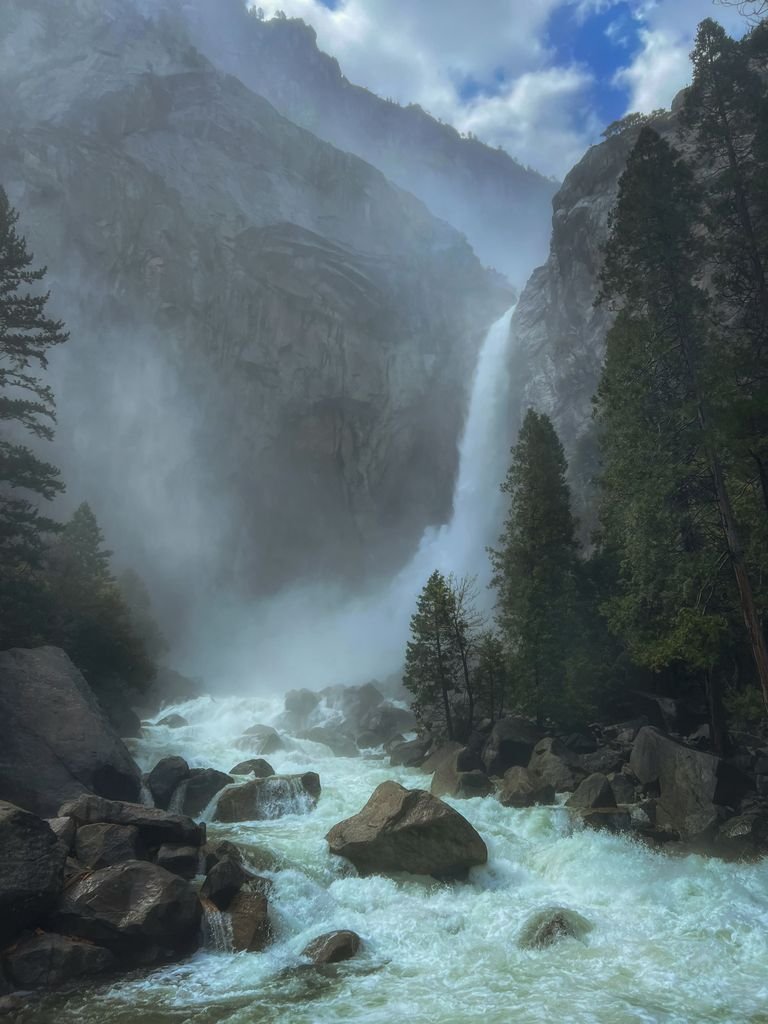
If I wanted one classic Yosemite hiking experience, the Mist Trail would be high on my list. The route takes hikers past Vernal Fall and Nevada Fall, with steep sections and spectacular scenery along the way.
The trail can be especially impressive when the waterfalls are flowing strongly, although that also means I’d want proper footwear and plenty of water. The National Park Service recommends staying on designated trails because the rocks around waterfalls can be extremely slippery.
Best for: Hiking, waterfalls and adventure
Don’t miss: Vernal Fall, Nevada Fall and the views around the Mist Trail
6. See El Capitan
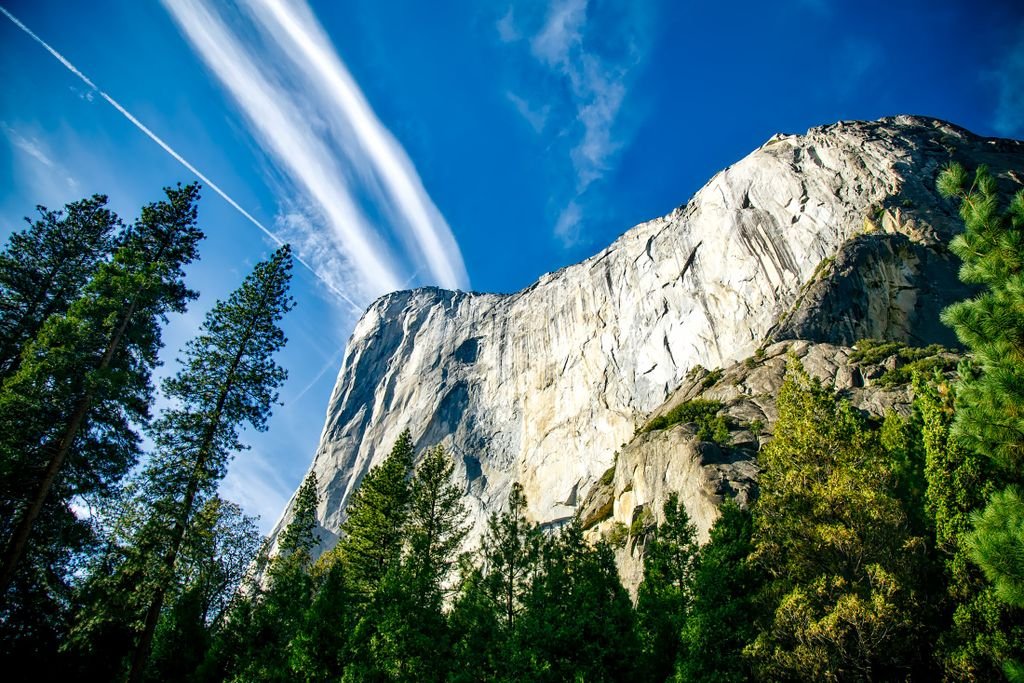
El Capitan is impossible to miss in Yosemite Valley. The enormous granite monolith rises dramatically above the valley and has become one of the world’s most recognizable rock-climbing landmarks.
I’d stop at El Capitan Meadow for one of the best opportunities to appreciate its enormous scale. If I bring binoculars, I might even spot climbers making their way up the granite face.
Best for: Photography, sightseeing and rock-climbing enthusiasts
Don’t miss: El Capitan Meadow and the views along Northside Drive
7. Look for Giant Sequoias at Mariposa Grove
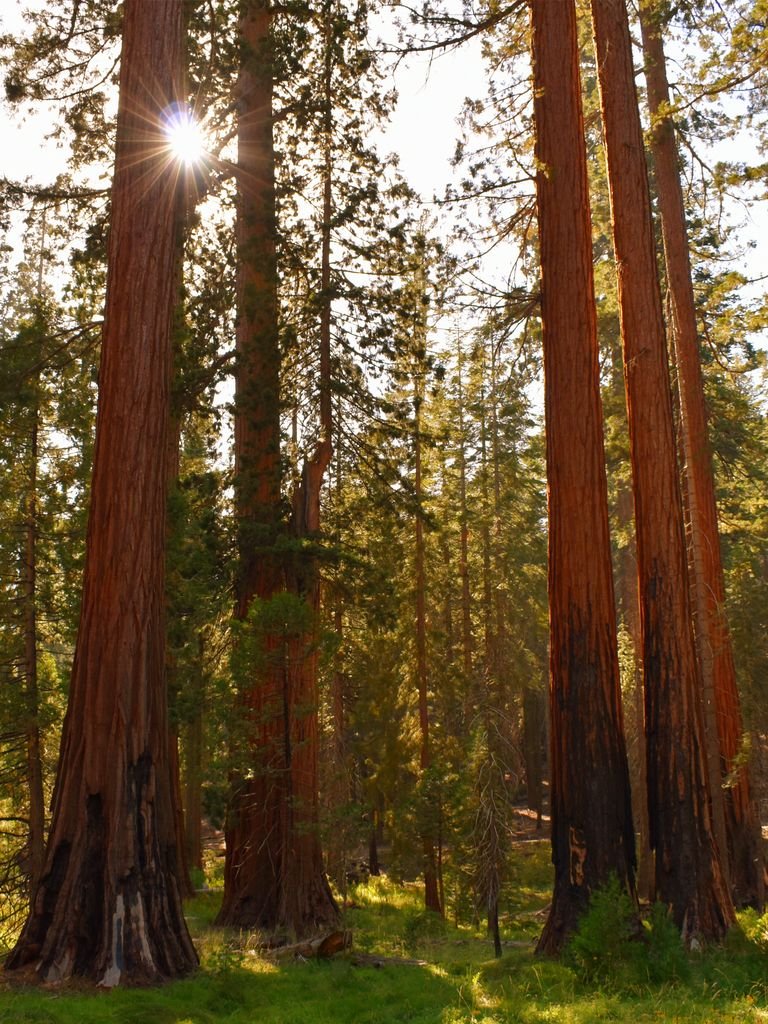
Walking among giant sequoias is one of the experiences I wouldn’t want to miss in Yosemite. The Mariposa Grove of Giant Sequoias is the largest sequoia grove in the park and contains more than 500 mature giant sequoias.
Even the easy Big Trees Loop Trail gives visitors an opportunity to walk through the grove and learn about these enormous trees. For me, it would be a nice change of pace after spending time around Yosemite’s granite cliffs and waterfalls.
Best for: Nature lovers, families and photography
Don’t miss: Grizzly Giant, California Tunnel Tree and Big Trees Loop
8. Photograph Half Dome
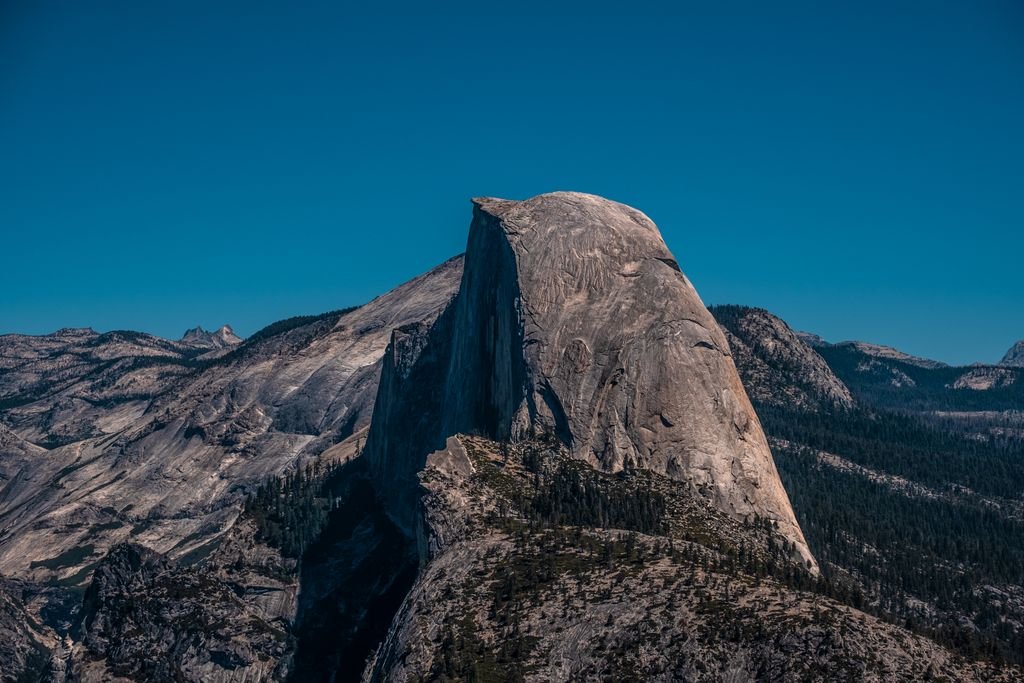
Half Dome is probably the most recognizable rock formation in Yosemite. Its distinctive shape appears from viewpoints throughout the park, and I’d make a point of photographing it from several different locations.
You don’t necessarily need to climb Half Dome to enjoy it. Glacier Point, Tunnel View, Sentinel Bridge and Yosemite Valley all provide opportunities to see the landmark from different perspectives.
Best for: Photography, sightseeing and hiking
Don’t miss: Half Dome views from Glacier Point and Yosemite Valley
9. Walk Around Mirror Lake
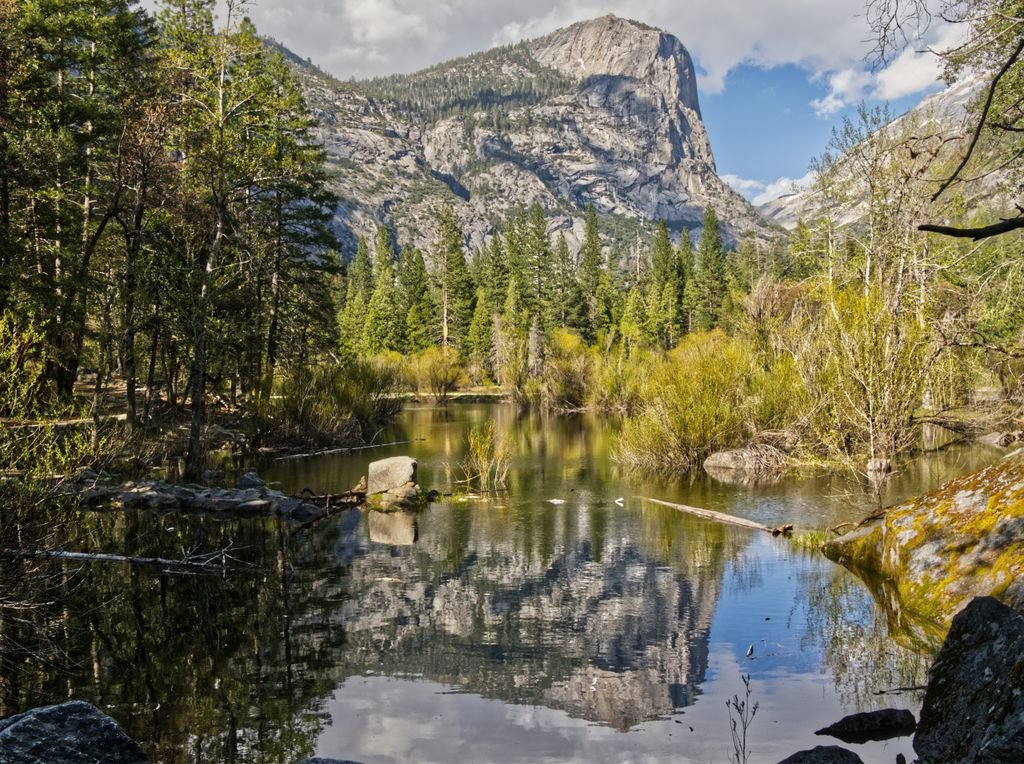
Mirror Lake is a peaceful place to slow down after exploring Yosemite Valley. When conditions are right, the water reflects the surrounding granite cliffs, creating some beautiful photography opportunities.
The area is particularly appealing in spring and early summer, although the lake can change considerably depending on the season and water levels.
Best for: Easy walks, photography and relaxing
Don’t miss: The reflections of Half Dome and the surrounding forest
10. Drive Along Tioga Road
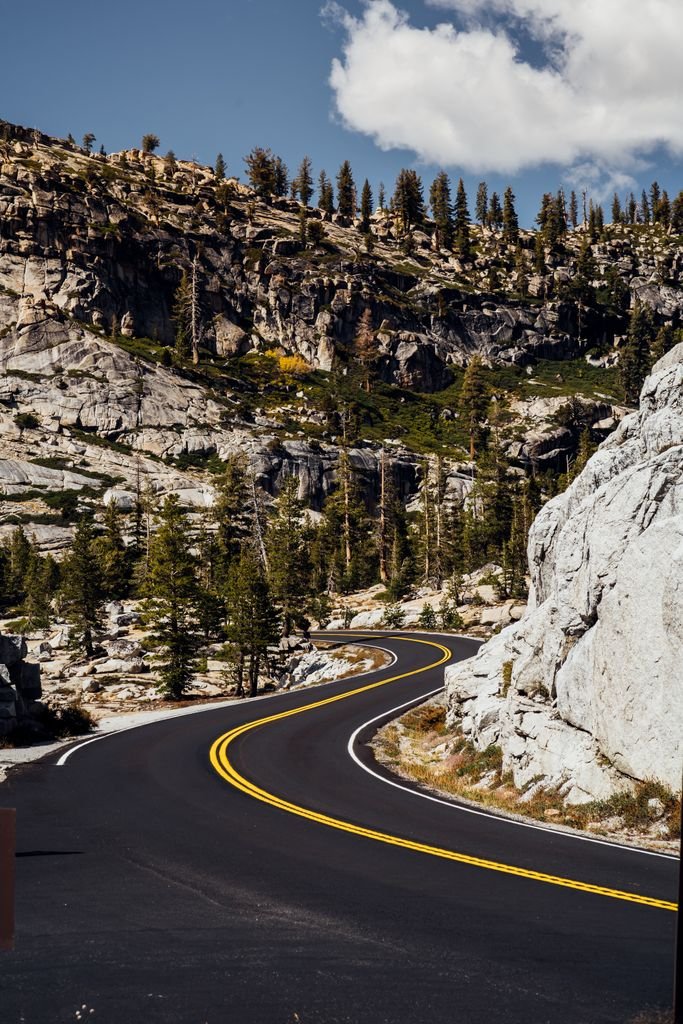
For a completely different side of Yosemite, I’d head toward the high country along Tioga Road. The route takes me away from the crowded Valley and into an alpine landscape filled with mountain views, granite domes, lakes and meadows.
One of the highlights is Tuolumne Meadows, a broad subalpine meadow surrounded by peaks and domes. The road is seasonal, so I’d always check current conditions before planning a drive.
Best for: Scenic drives, alpine landscapes and photography
Don’t miss: Tuolumne Meadows, Olmsted Point and Tenaya Lake
11. Visit Tuolumne Meadows
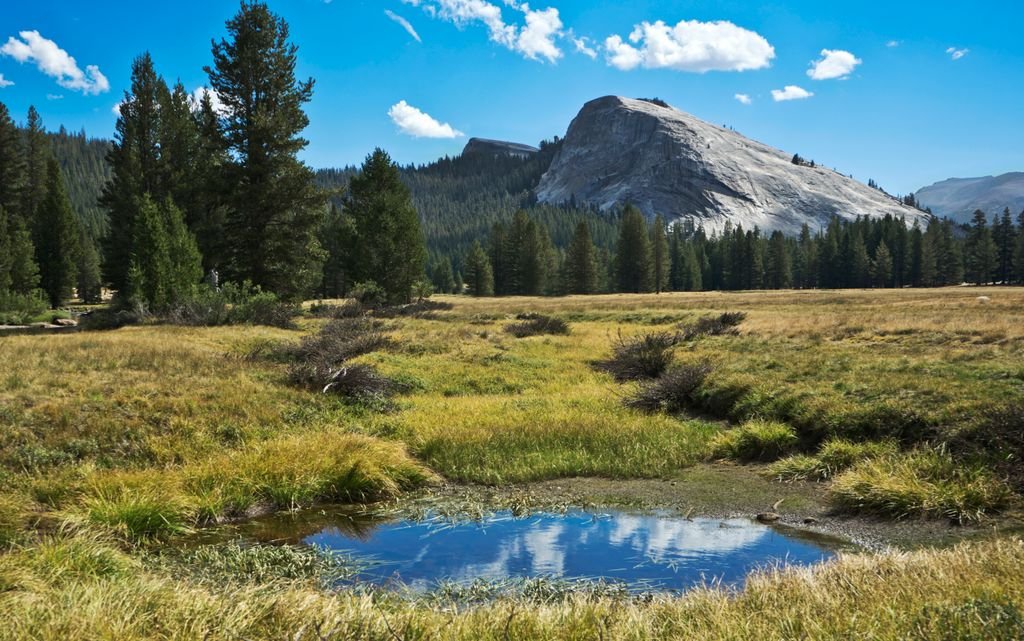
Tuolumne Meadows feels like a completely different Yosemite from the busy Valley. The open subalpine landscape is surrounded by granite peaks and domes, with the Tuolumne River winding through the meadow.
I’d come here if I wanted to hike, take photographs or simply spend some quiet time surrounded by the High Sierra landscape.
Best for: Hiking, scenery and escaping the crowds
Don’t miss: Tuolumne River, surrounding granite peaks and nearby trails
12. Go Stargazing
Yosemite is just as impressive after dark as it is during the day. Once the sun goes down, the park’s mountains and forests create an incredible setting for looking at the night sky.
I’d find a safe, open area away from bright lights and spend some time simply looking up. Stargazing is an activity available throughout Yosemite, and ranger programs may also provide opportunities to learn more about the night sky.
Best for: Couples, photographers and nature lovers
Don’t miss: Clear nights away from the brightest developed areas
13. Explore Wawona
Wawona is worth visiting if I want to see a quieter and more historic side of Yosemite. Located in the southern part of the park, the area is home to the historic Wawona Hotel and the Yosemite History Center.
It also provides access toward Mariposa Grove, making it easy to combine both destinations into the same part of a Yosemite trip.
Best for: History, relaxing and exploring beyond Yosemite Valley
Don’t miss: Yosemite History Center and Wawona Hotel
14. Go Biking Through Yosemite Valley
Biking is one of my favorite ways to explore a busy national park because I can cover more ground without constantly moving the car. Yosemite Valley has bike paths that connect several major attractions and facilities.
I could rent a bike or bring my own and ride between viewpoints, meadows and other attractions. The National Park Service lists biking among the activities available in Yosemite Valley, particularly from spring through fall.
Best for: Families, active travelers and exploring the Valley
Don’t miss: The Valley bike paths and riverside scenery
15. Take a Ranger-Led Program
If I want to understand Yosemite rather than simply photograph it, I’d join a ranger or interpretive program. These programs can add context about the park’s geology, wildlife, plants, history and cultural heritage.
Yosemite offers a range of ranger and interpretive programs, along with tours and educational activities.
Best for: Families, first-time visitors and anyone interested in Yosemite’s history and nature
Don’t miss: Checking the current Yosemite Guide for programs during your visit
Best Time to Visit Yosemite National Park
The best time to visit Yosemite depends on what I want to see and do. Spring is particularly good for waterfalls, as snowmelt can produce powerful flows, while summer provides better access to many high-country areas.
Fall can bring cooler weather and fewer visitors, while winter transforms parts of Yosemite into a snowy landscape. Some roads and trails close seasonally, so I’d check current conditions before heading out.
For waterfalls, I’d lean toward spring. For high-country hiking and scenic drives, I’d look at summer or early fall, depending on road conditions.
How Many Days Do You Need in Yosemite?
I’d recommend at least three days in Yosemite National Park if possible. That gives me enough time to explore Yosemite Valley, see the major viewpoints and fit in a couple of hikes without feeling like I’m constantly rushing.
With one day, I’d focus on Yosemite Valley, Tunnel View and a few major viewpoints. With three days, I’d add a longer hike, Glacier Point and Mariposa Grove. If I have four or five days, I’d spend more time exploring the high country and quieter areas of the park.
Tips for Visiting Yosemite National Park
Plan ahead. Yosemite can become extremely busy, particularly during peak travel periods. The National Park Service currently states that an entrance reservation is not required in 2026, although an entrance fee still applies. Reservations are strongly recommended for lodging, camping and backpacking.
Bring plenty of water if you’re hiking. Yosemite’s trails range from easy walks to strenuous climbs, and dehydration is one of the common causes of injuries on trails.
Check road and trail conditions before you go. Seasonal weather can affect access to places such as Glacier Point, Tioga Road and Mariposa Grove.
Don’t try to see everything in one day. Yosemite is enormous, and I’d much rather experience a few places properly than spend the entire trip sitting in traffic and rushing between viewpoints.
Final Thoughts
There are so many things to do in Yosemite National Park that one visit can barely scratch the surface. I could spend a morning watching waterfalls in Yosemite Valley, hike through the granite landscape in the afternoon and finish the day beneath a sky full of stars.
If it’s my first visit, I’d prioritize Yosemite Valley, Yosemite Falls, Tunnel View, Glacier Point and Mariposa Grove. After that, I’d leave some room for the unexpected because some of my favorite Yosemite moments would probably come from simply stopping somewhere beautiful and taking in the landscape.
